Gujarat Government R&D Policy: Why Smart Businesses Are Taking It Seriously
Gujarat's R&D Policy is helping businesses invest in innovation with reduced financial risk through subsidies, interest support, and operational assistance. With a strong ecosystem and government backing, companies can set up or expand R&D facilities more efficiently, improve ROI, and gain a competitive edge.
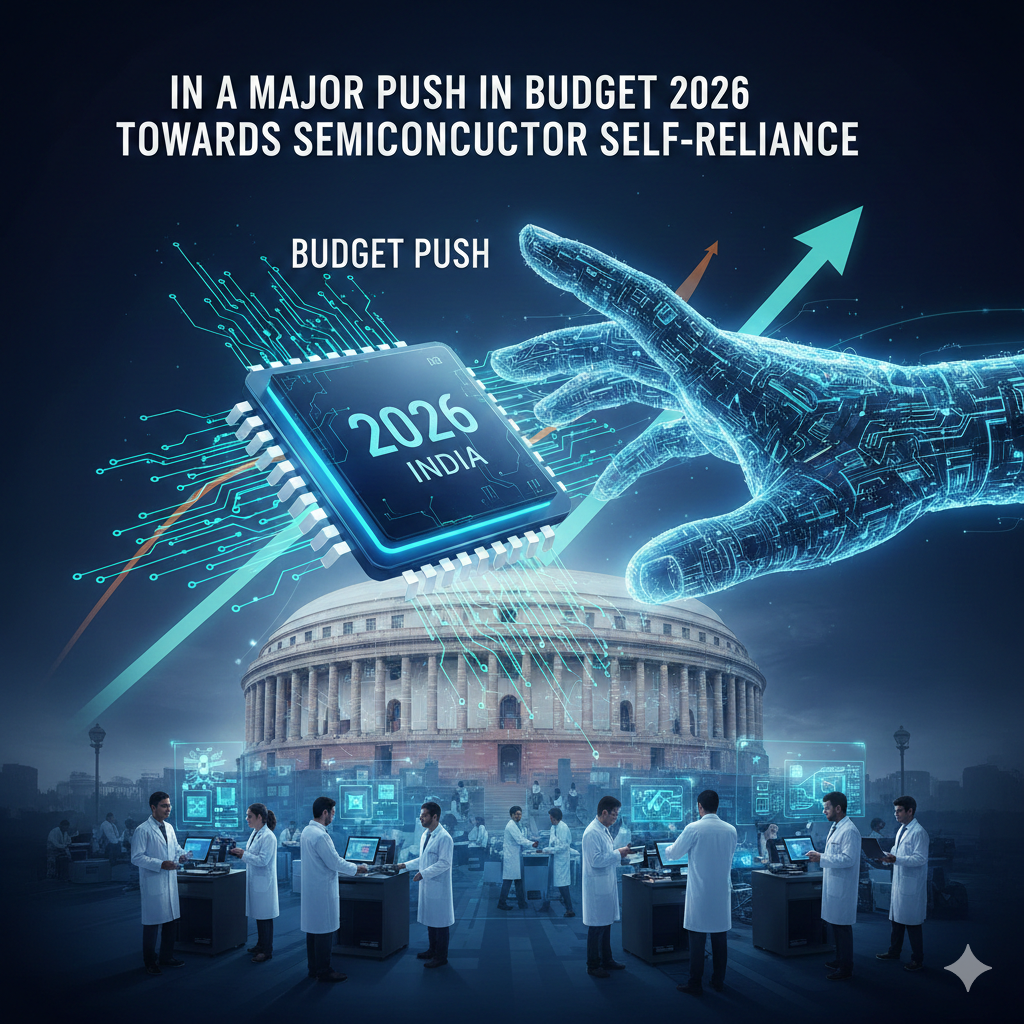
IN A Major Push in Budget 2026 Towards Semiconductor Self-Reliance
The Union Budget 2026–27 marks a significant milestone with the launch of India Semiconductor Mission (ISM) 2.0, reinforcing India's push toward semiconductor self-reliance. With a ₹1,000 crore allocation for FY 2026–27, the initiative strengthens manufacturing, design, and supply chain capabilities. Building on earlier incentives, India has already approved major projects and attracted substantial investments across multiple states. The mission aims to meet 70–75% of domestic chip demand by 2029 while progressing toward advanced node technologies.
The semiconductor market in India is projected to exceed $100 billion by 2030, creating vast opportunities for innovation and industrial growth. Indigenous microprocessor development led by the Centre for Development of Advanced Computing further strengthens digital sovereignty. Alongside infrastructure expansion, strong emphasis is placed on startup support, R&D, and workforce development.
Gujarat Government R&D Policy: Why Smart Businesses Are Taking It Seriously
Gujarat's R&D Policy is helping businesses invest in innovation with reduced financial risk through subsidies, interest support, and operational assistance. With a strong ecosystem and government backing, companies can set up or expand R&D facilities more efficiently, improve ROI, and gain a competitive edge.
IN A Major Push in Budget 2026 Towards Semiconductor Self-Reliance
The Union Budget 2026–27 marks a significant milestone with the launch of India Semiconductor Mission (ISM) 2.0, reinforcing India's push toward semiconductor self-reliance. With a ₹1,000 crore allocation for FY 2026–27, the initiative strengthens manufacturing, design, and supply chain capabilities. Building on earlier incentives, India has already approved major projects and attracted substantial investments across multiple states. The mission aims to meet 70–75% of domestic chip demand by 2029 while progressing toward advanced node technologies.
The semiconductor market in India is projected to exceed $100 billion by 2030, creating vast opportunities for innovation and industrial growth. Indigenous microprocessor development led by the Centre for Development of Advanced Computing further strengthens digital sovereignty. Alongside infrastructure expansion, strong emphasis is placed on startup support, R&D, and workforce development.
Overall, ISM 2.0 represents India's transition from policy ambition to execution, positioning the country as an emerging global semiconductor leader.
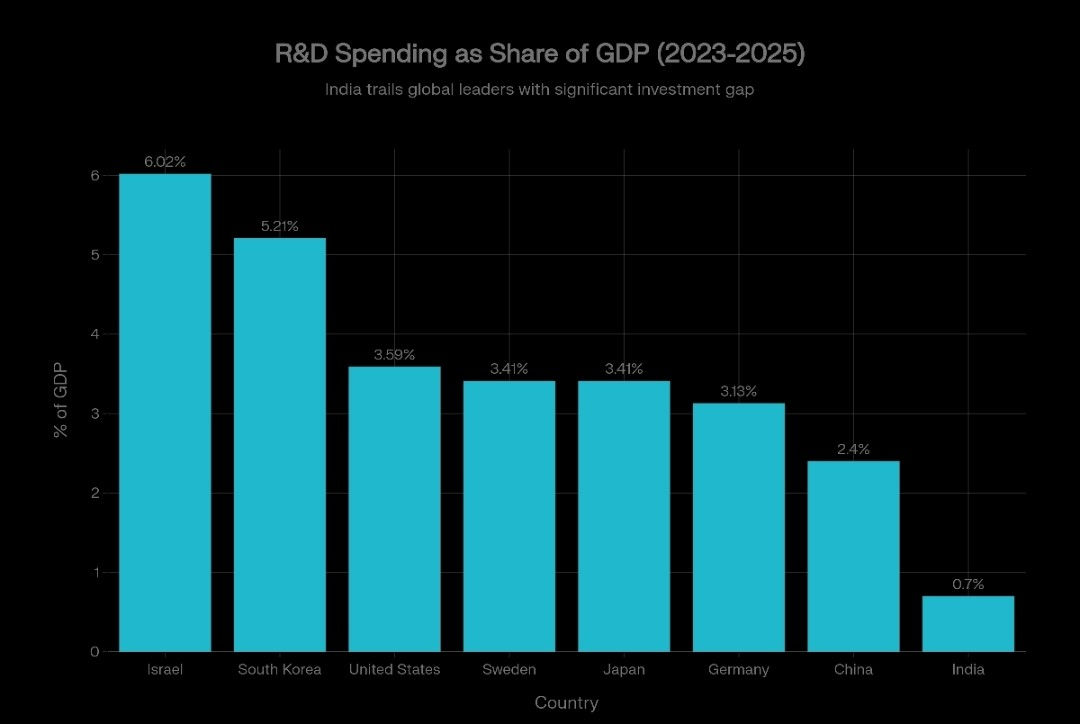
Unlocking Innovation: How India's R&D Ambitions Stack Up Against Global Giants in 2026
In 2026, global R&D is advancing rapidly through breakthroughs in AI, clean energy, and health sciences. India's ₹1 Lakh Crore RDI Scheme marks a strong policy push to boost private-sector innovation, yet R&D intensity and industry collaboration still trail global leaders. With growing strengths in ICT, startups, and venture capital, India is positioned to close the gap through focused investment and strategic alignment.
With growing strengths in ICT, startups, and venture capital, India is positioned to close the gap through focused investment and strategic alignment.
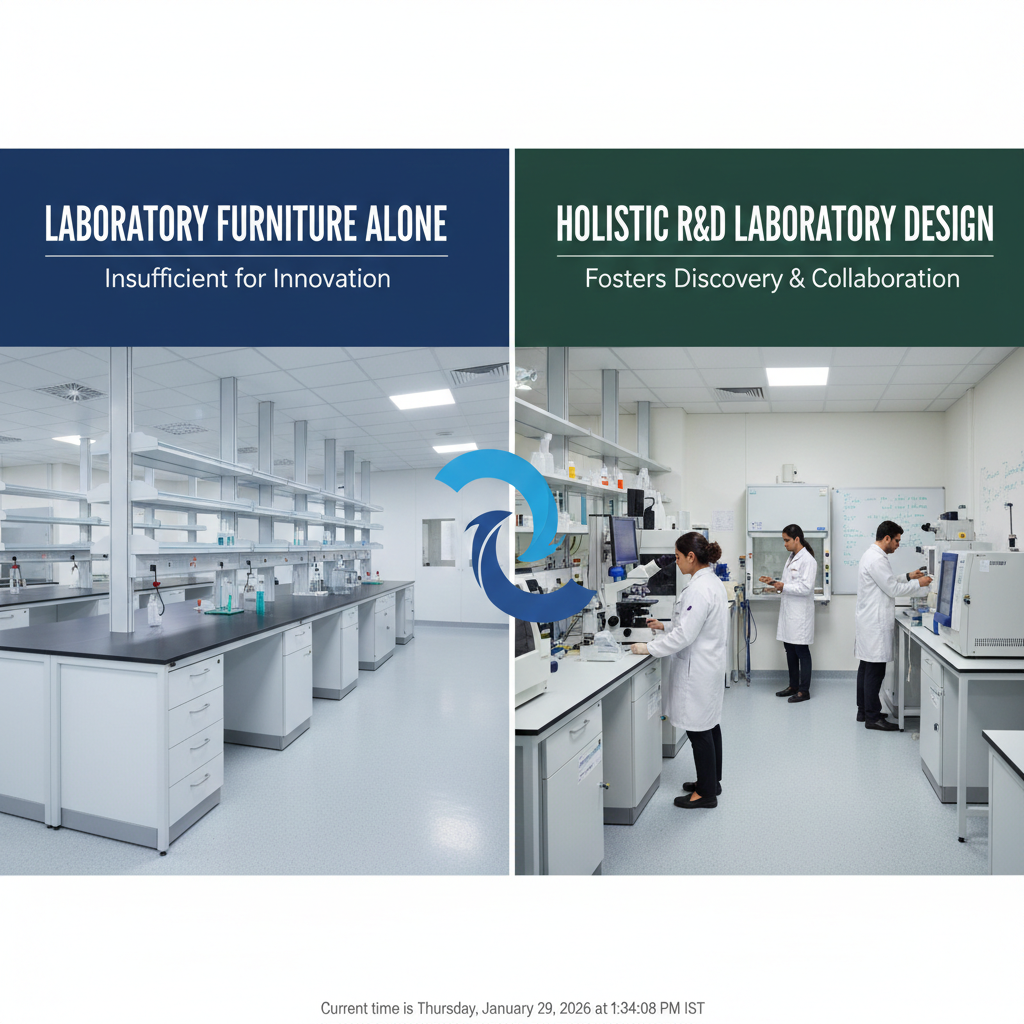
Why Laboratory Furniture Alone Is Not Enough for R&D
Laboratory Design
Relying solely on laboratory furniture manufacturers can limit
safety, efficiency, and compliance. A turnkey R&D laboratory
approach ensures integrated design, regulatory alignment, and
long-term research performance.
Laboratories serve as the cornerstone of scientific research
and innovation. Effective research and development (R&D)
laboratory design demands meticulous planning, optimal
layouts, and specialized furnishing solutions to foster
precision, efficiency, safety, and productivity. While many
organizations turn directly to laboratory furniture
manufacturers for their R&D setups, this approach often leads
to suboptimal outcomes, resulting in operational challenges
that ultimately impact research productivity and staff
performance.
Laboratory furniture providers typically excel in supplying
high-quality benches, cabinets, and accessories but often lack
the comprehensive expertise required for holistic R&D
laboratory setup. This includes in-depth knowledge of
instrument integration, chemical handling, glassware
management, and fume hood installation. True R&D excellence
requires integrated solutions that go beyond mere
furnishings—empowering organizations with safe, efficient, and
cutting-edge laboratories that drive competitive advantage.
R&D Incentives in India: A Complete Guide for Manufacturing
Companies
Innovation is no longer optional for businesses that want to
stay competitive. Recognizing this, the Government of India
offers a range of incentives to encourage companies to invest
in Research & Development (R&D). However, many organizations
are either unaware of these benefits or unsure about
eligibility and the application process.
This blog breaks down everything you need to know about R&D
incentives in India, including eligibility, benefits,
certification, and common pitfalls.
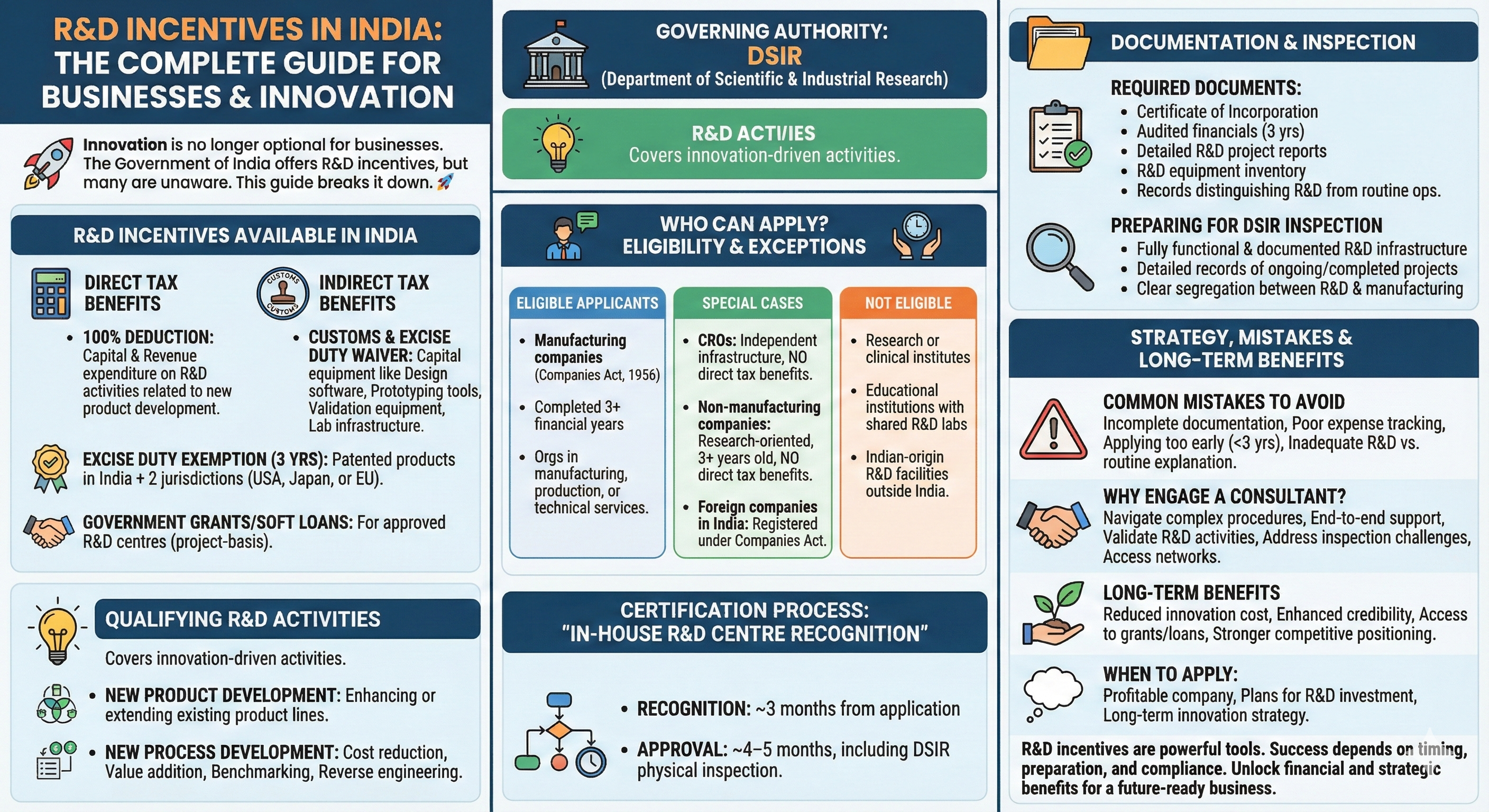
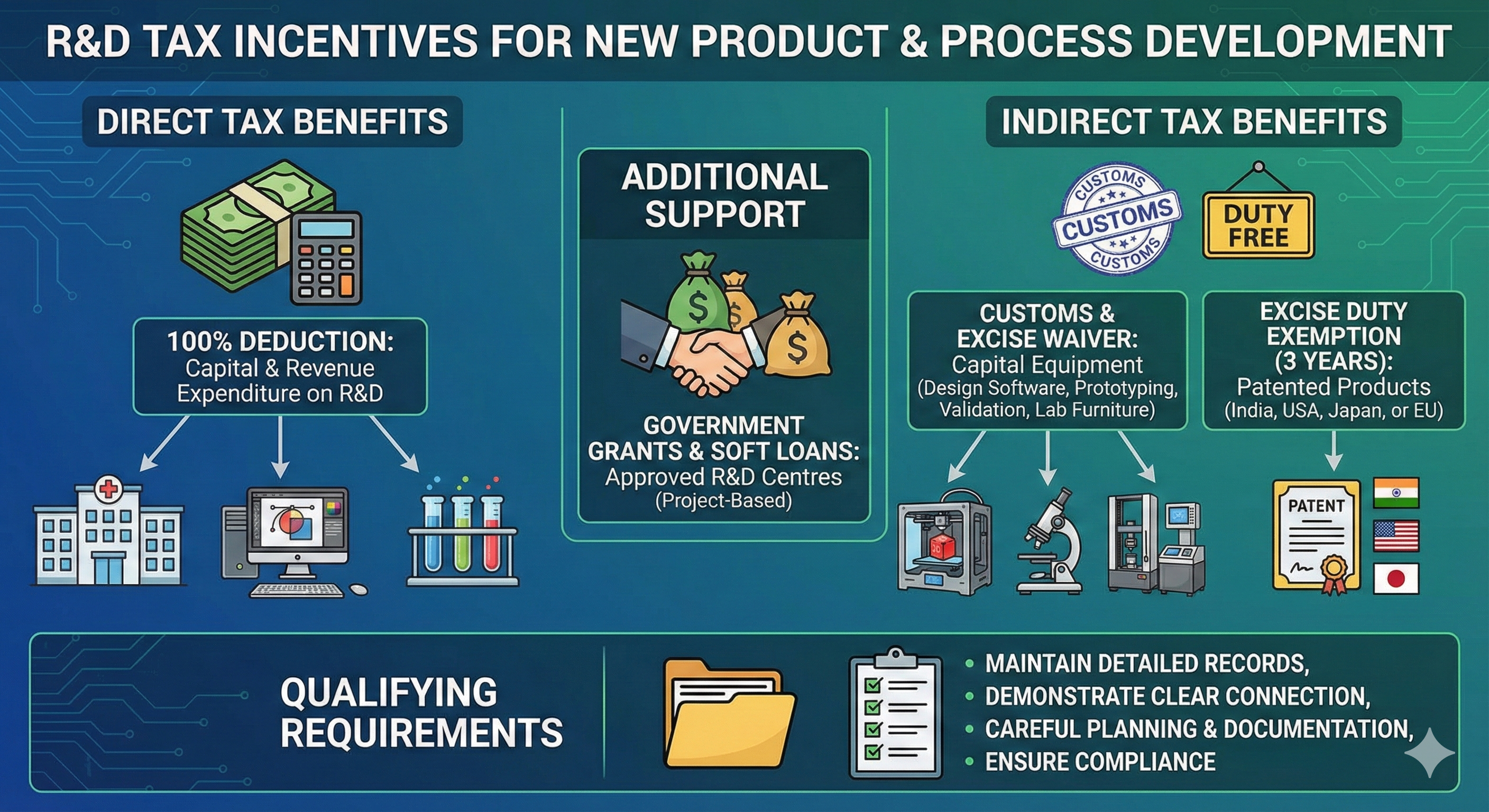
Companies engaged in new product or process development can
benefit from both direct and indirect tax incentives. Direct
tax benefits include 100% deduction of both capital and
revenue expenditure incurred on R&D activities related to new
product development.
Indirect tax benefits include customs & excise duty waiver on
capital equipment such as design software, prototyping tools,
validation and testing equipment, and laboratory furniture and
infrastructure.
Additionally, there's an excise duty exemption for 3 years on
patented products sold in India, provided the patent is
granted in at least two jurisdictions (India, USA, Japan, or
EU).
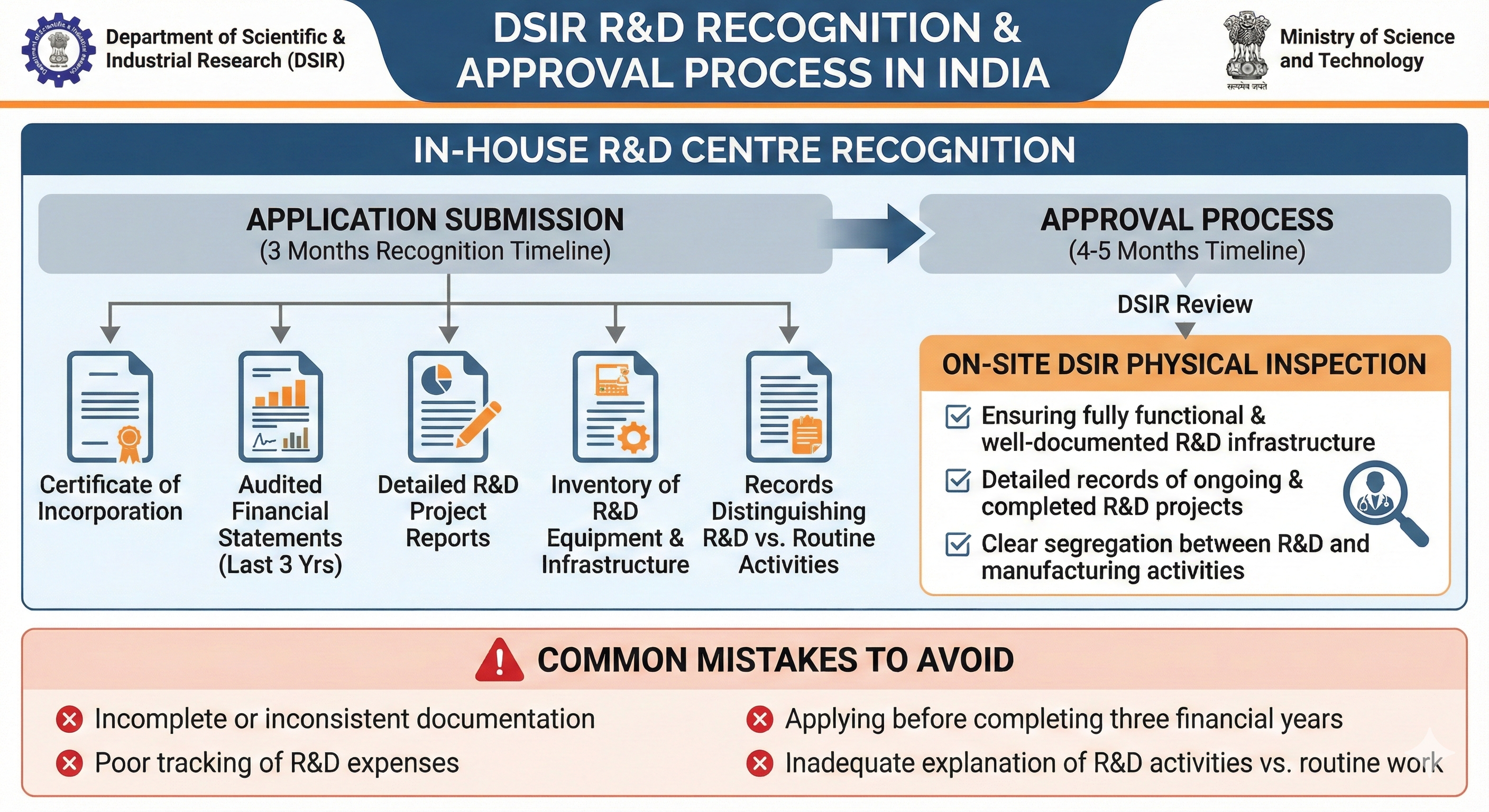
DSIR Certification: Process, Requirements, and Benefits
The Department of Scientific & Industrial Research (DSIR),
under the Ministry of Science and Technology, is the
prescribed authority responsible for granting R&D recognition
and approval in India.
To apply for R&D recognition, companies must submit
certificate of incorporation, audited financial statements for
the last 3 years, detailed R&D project reports, inventory of
R&D equipment and infrastructure, and records clearly
distinguishing R&D activities from routine operations.
The process, known as "In-House R&D Centre Recognition,"
typically takes 3 months for recognition and 4-5 months for
approval including DSIR's physical inspection.